01
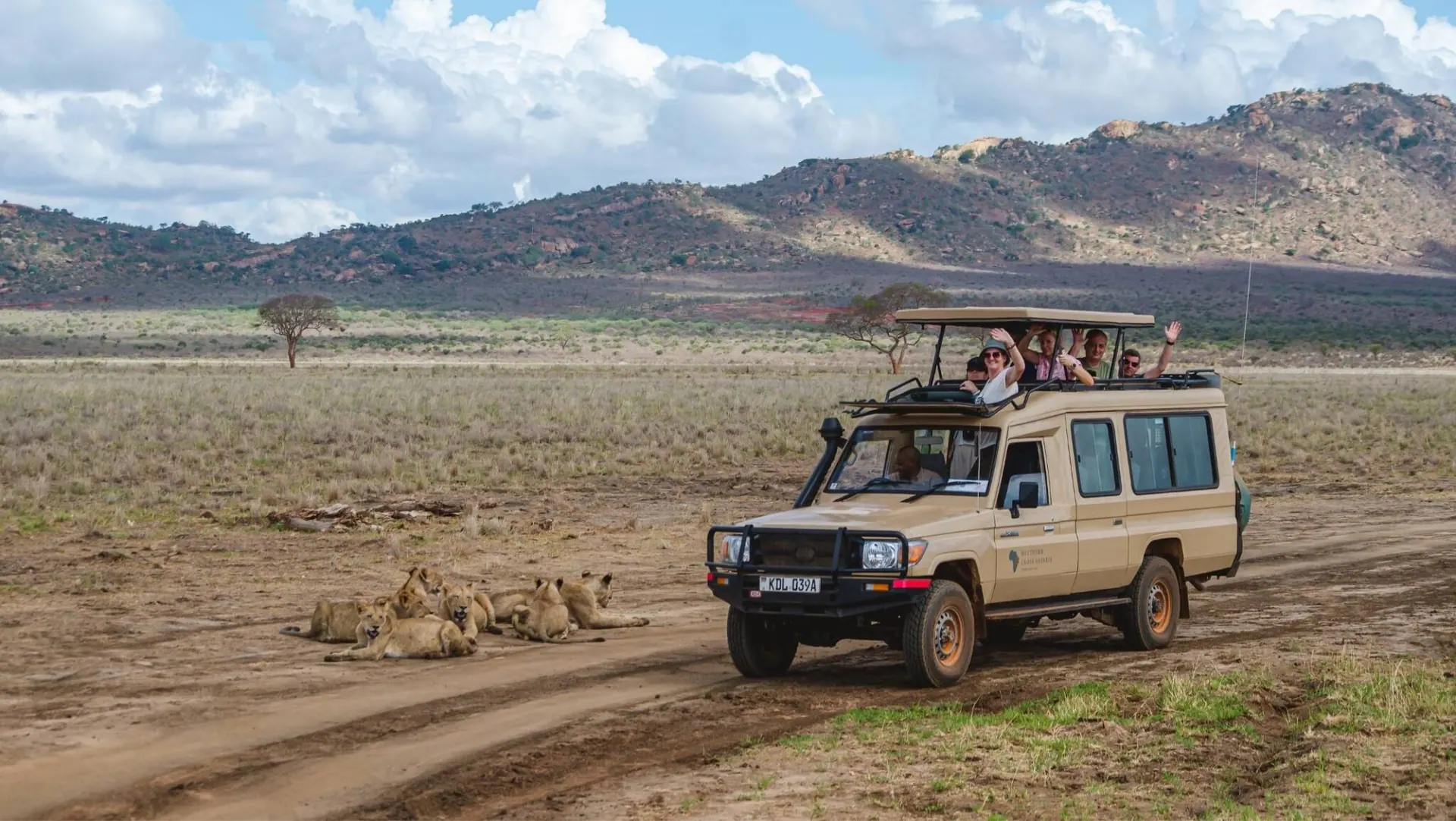
Crossings and Escarpment
Mara Triangle crossings from the escarpment, balanced with low-density conservancy nights.
8 days
Kenya
from USD 13,860
Open
 Einstein Tours & Travel
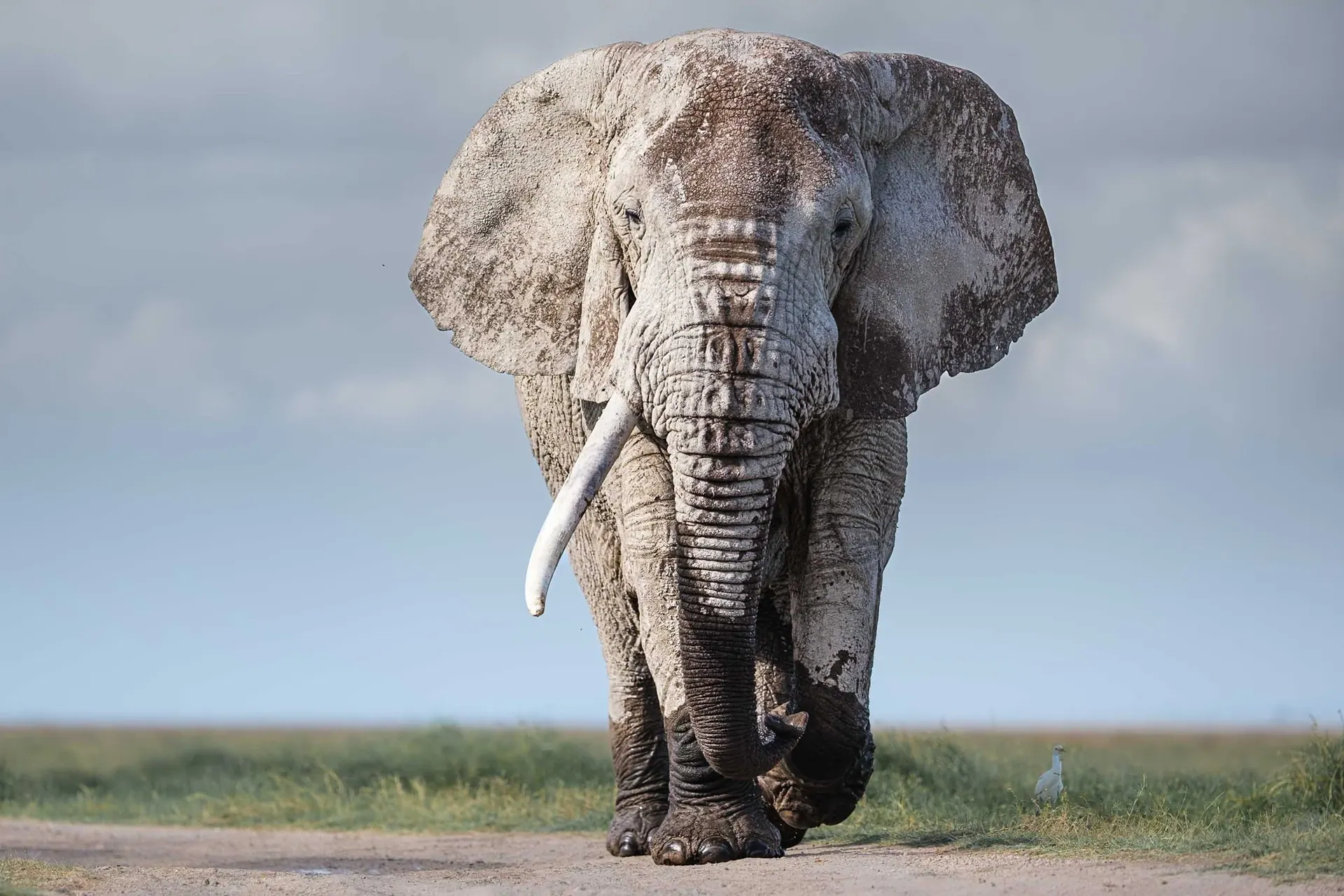
The reserve holds the crossings. The conservancies hold everything else: off-road driving, night drives, walking, and five vehicles at a sighting instead of forty.
-0.0236, 37.9062
Kenya's real advantage is structural. Around the Masai Mara National Reserve sits a ring of private conservancies, Mara North, Olare Motorogi, Naboisho and others, leased directly from Maasai landowners and run with a hard cap on bed numbers. That cap is the product. It buys you off-road access to a sighting, night drives that the reserve forbids, guided walking, and a genuine chance of being the only vehicle at a leopard.
The honest trade-off is that the great river crossings happen in the reserve and in the Mara Triangle, not in the conservancies. Most of our Kenya itineraries therefore split: conservancy nights for the quality of the game viewing, reserve days in season for the crossings.
-1.5833, 35.0000
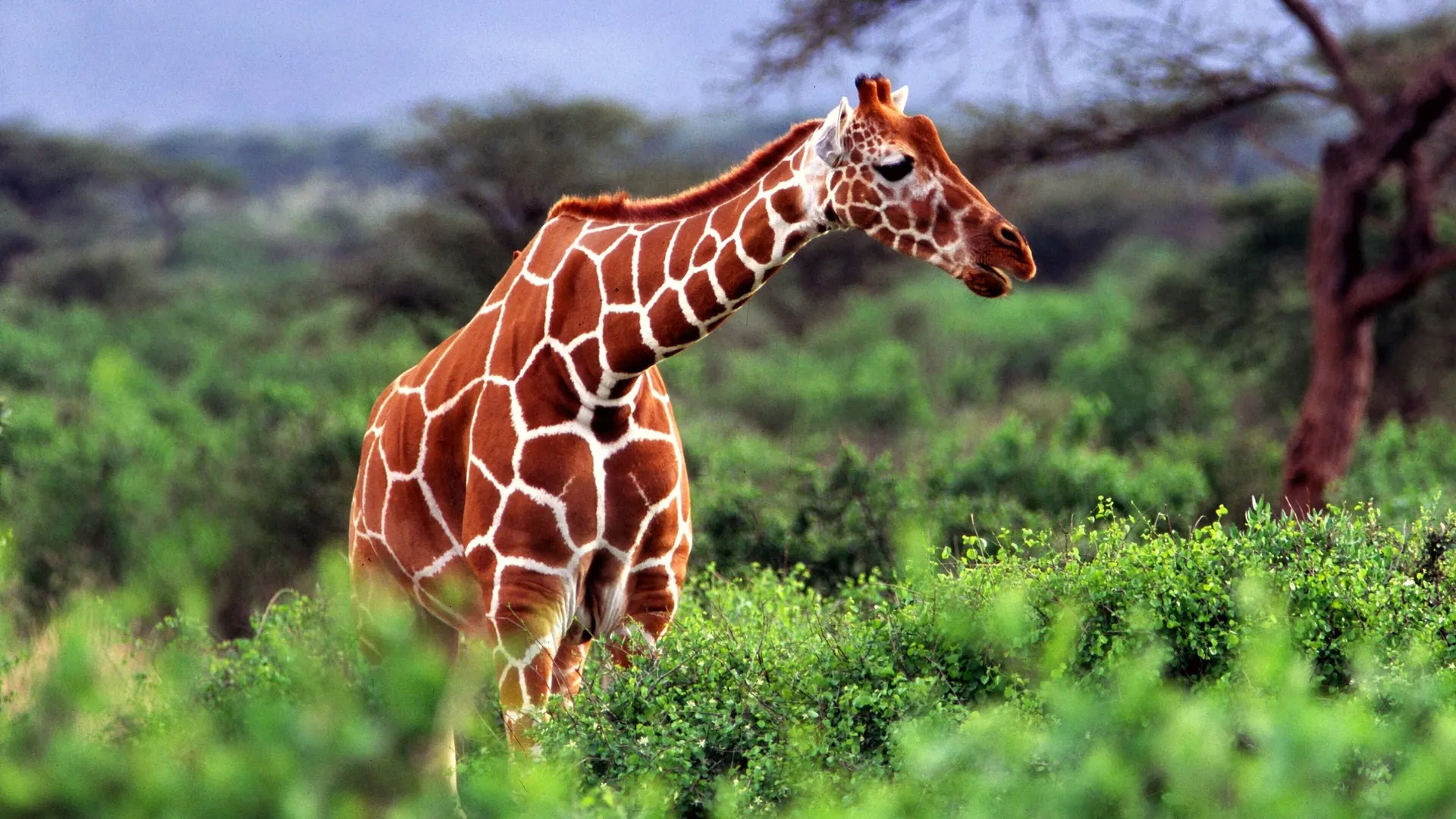
The Kenyan half of the Serengeti ecosystem. The Mara Triangle in the west, under a separate and better-run management, is where the crossing points sit below the Oloololo escarpment.
-1.3000, 35.1500
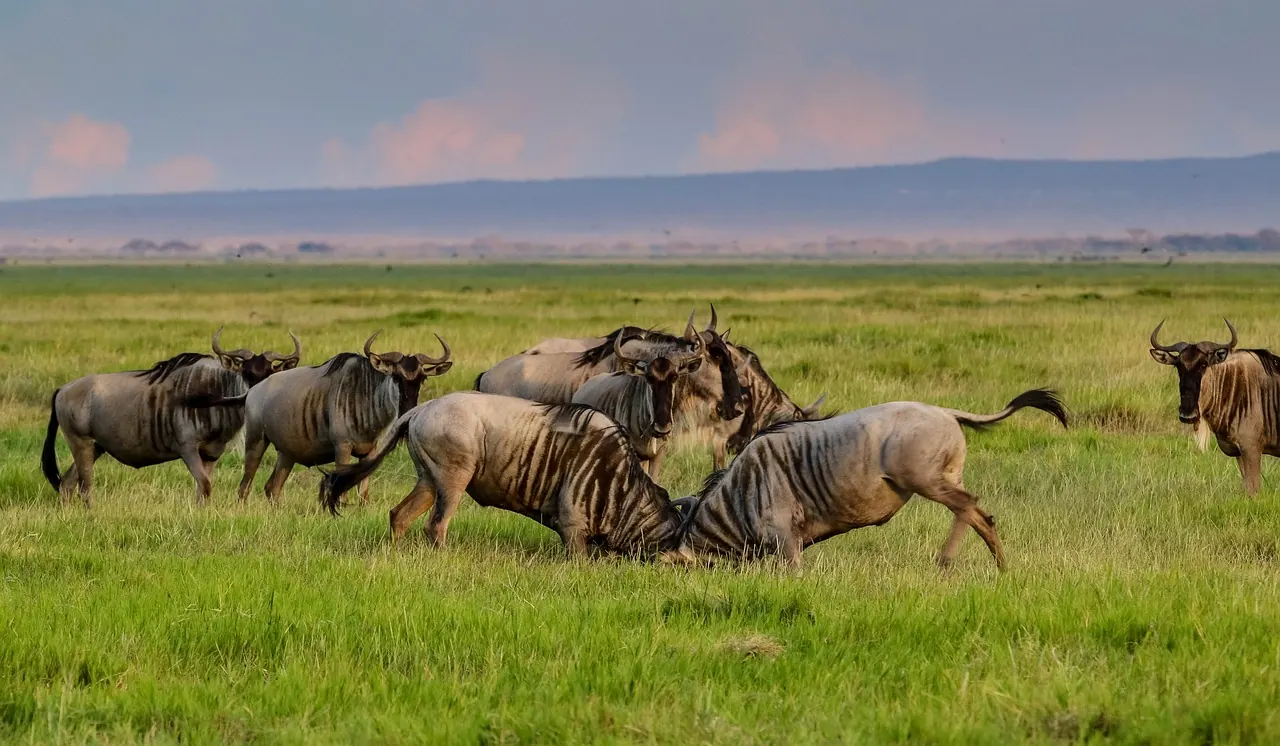
Mara North, Olare Motorogi and Naboisho. Low bed density, off-road driving, night drives and walking safaris, all forbidden inside the reserve itself.
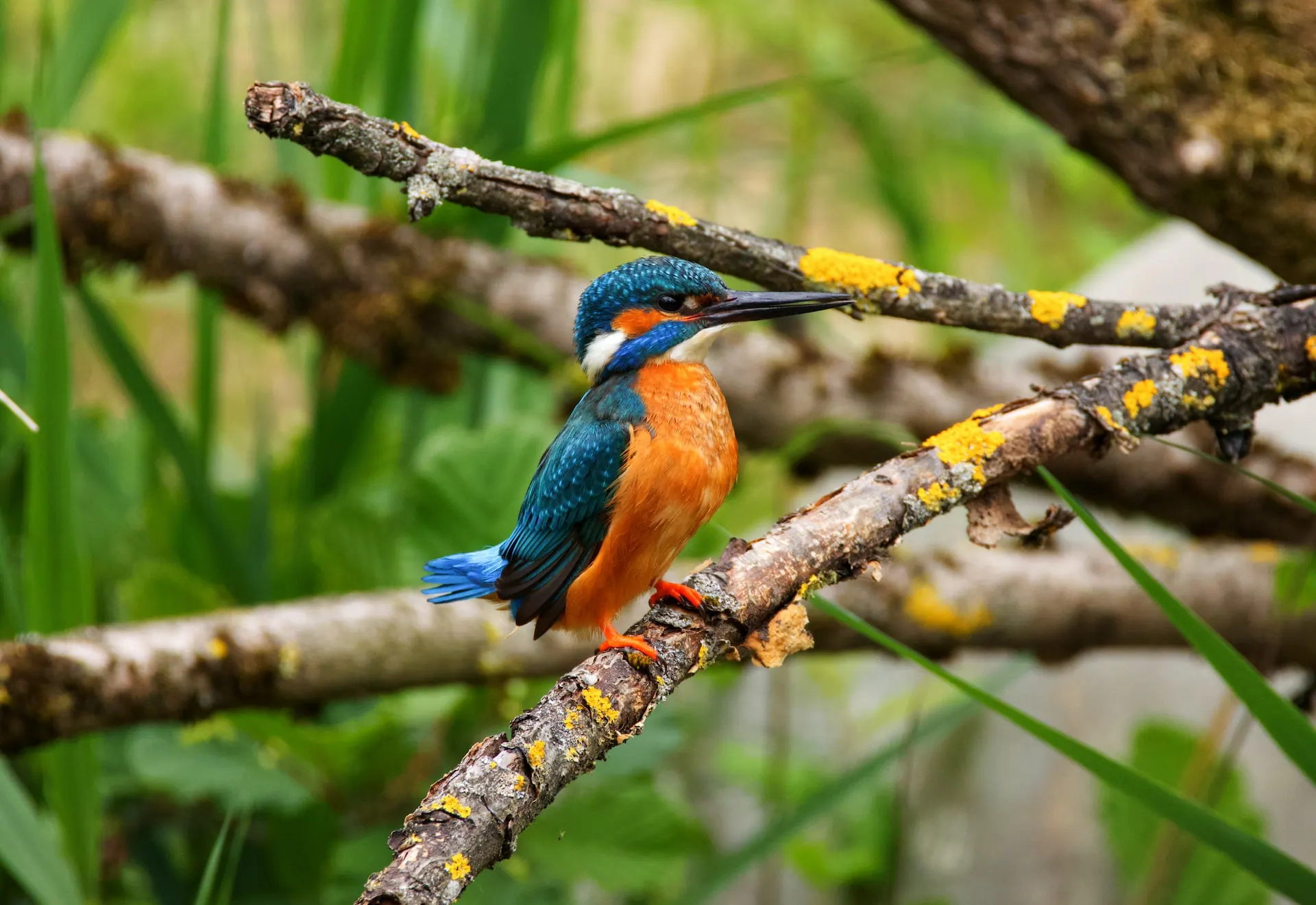
-2.6527, 37.2606
Large tusker elephants against Kilimanjaro, on the clear mornings when the mountain shows at all.
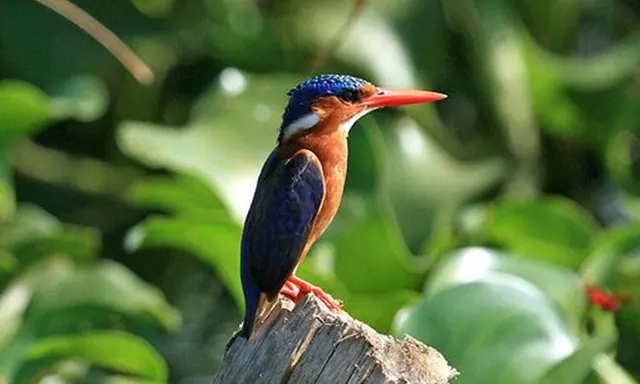
-0.3667, 36.0833
Rift Valley soda lake, white and black rhino, Rothschild's giraffe and flamingo when the water level suits them.
Single-country routes and the cross-border circuits that pass through here.
01
Mara Triangle crossings from the escarpment, balanced with low-density conservancy nights.
Open
02
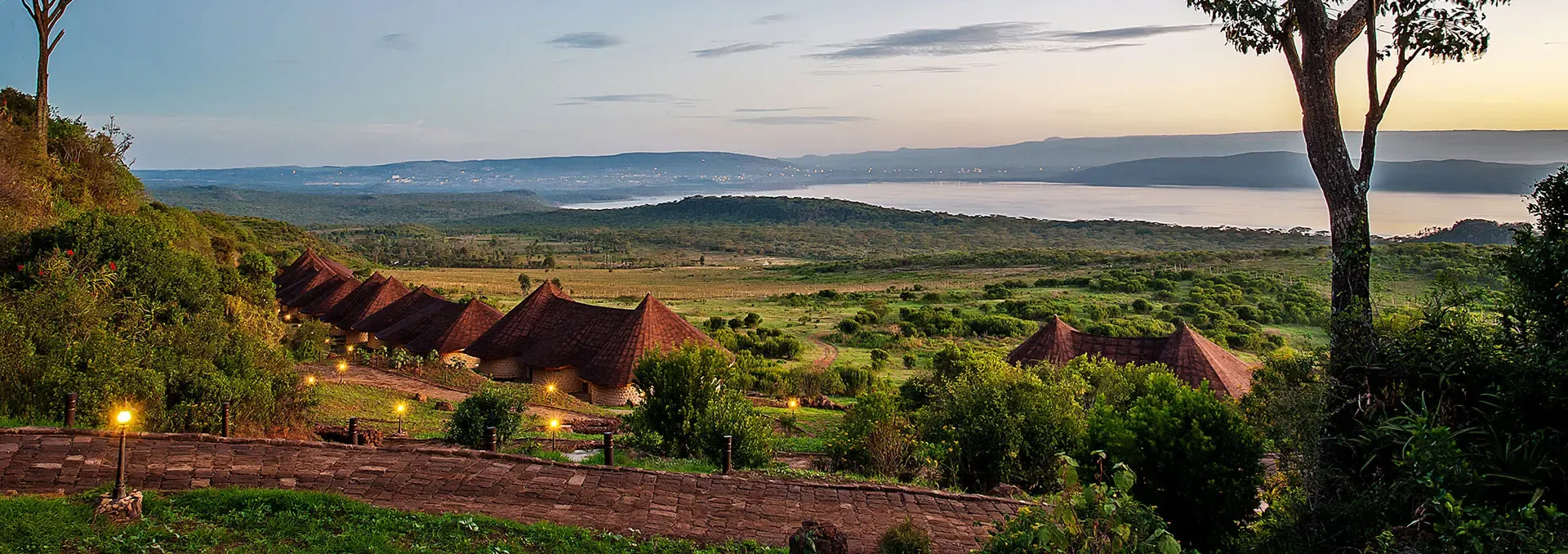
No national reserve at all. Capped beds, night drives, walking, and cats to yourself.
Open
03
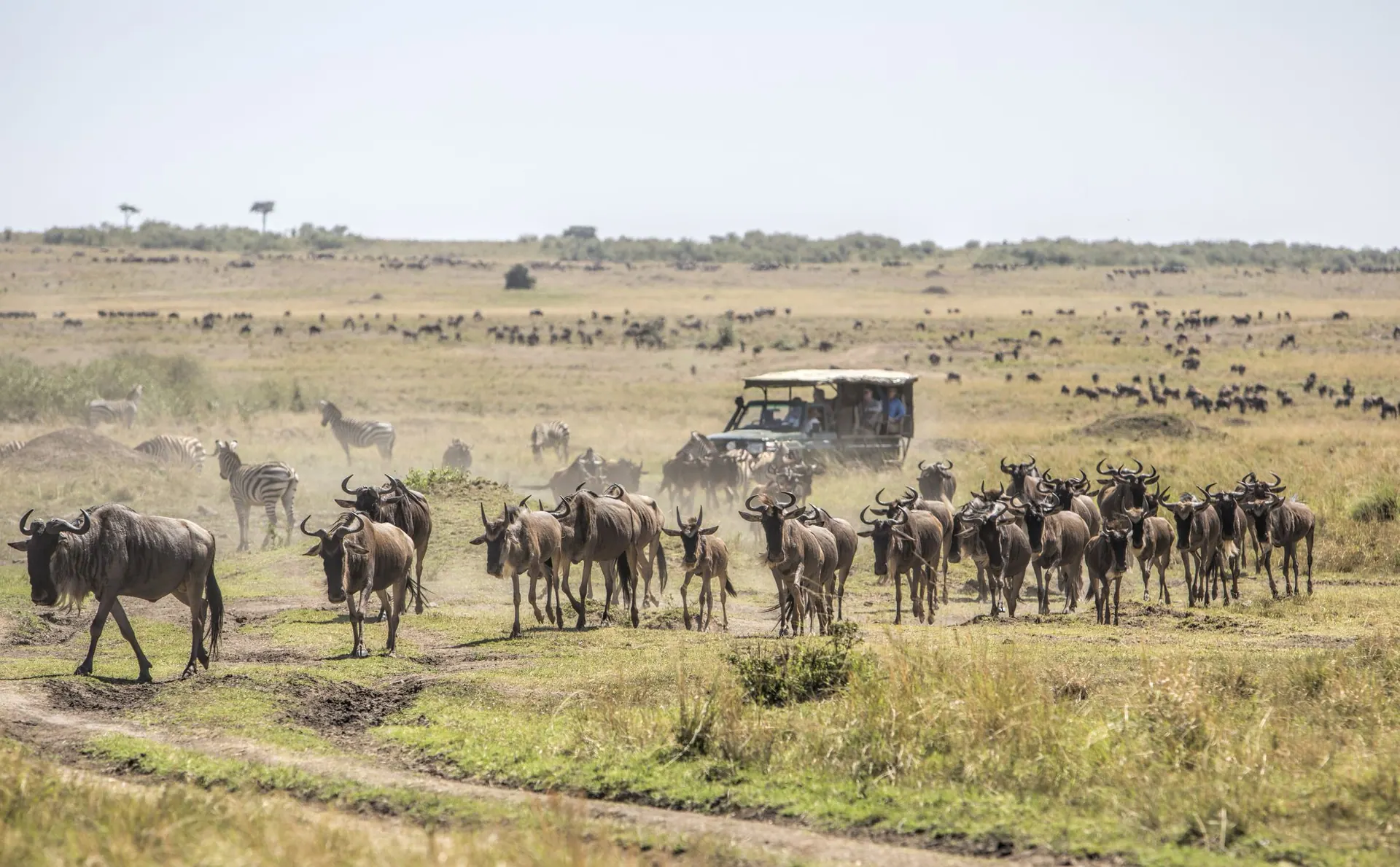
Laikipia's rhino conservancies, then the Ewaso Ng'iro and Samburu's northern specialists.
Open
04
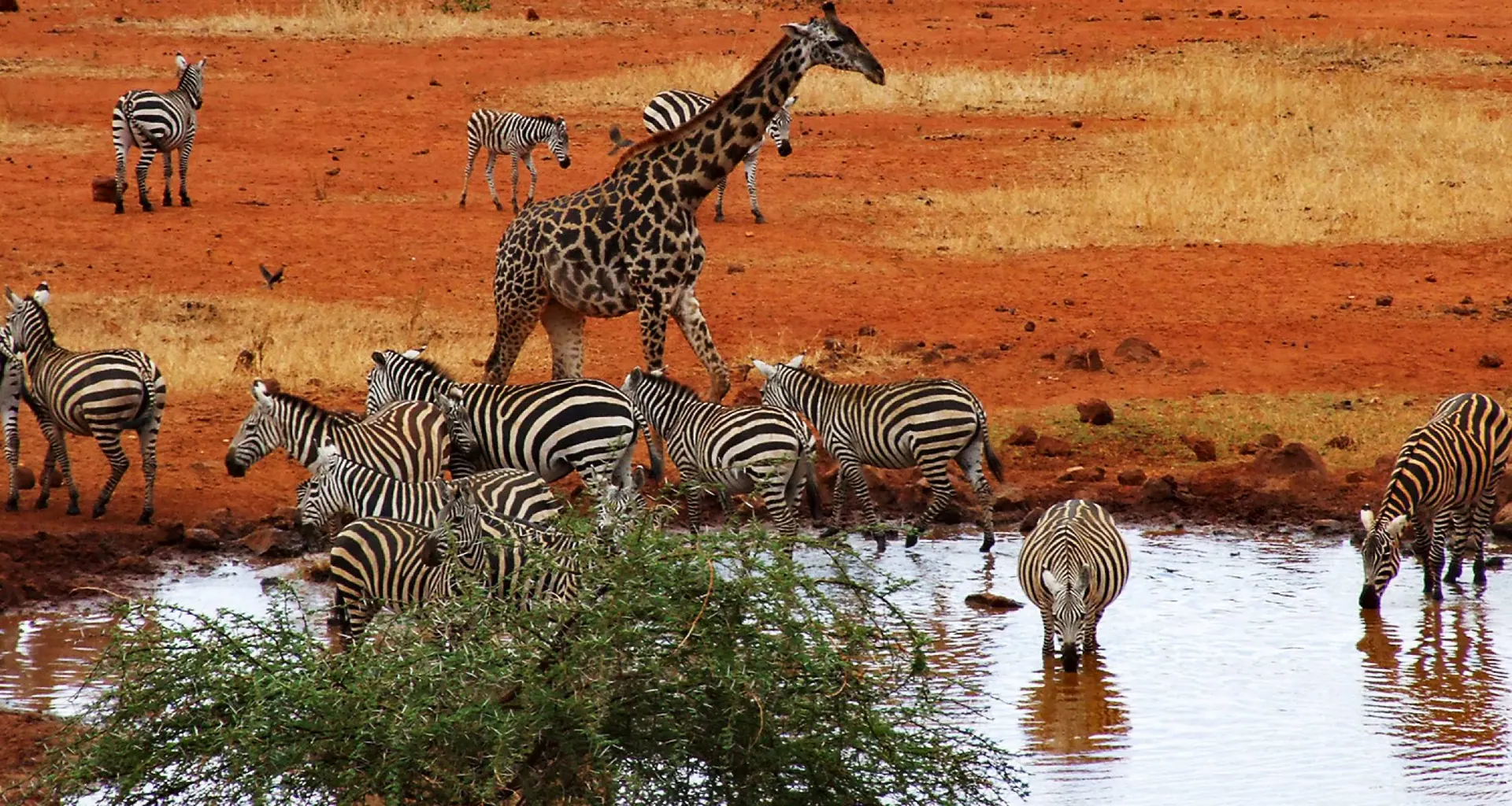
Kilimanjaro elephants, the Chyulu lava country, flamingo lakes, and a Lamu dhow finish.
Open
05
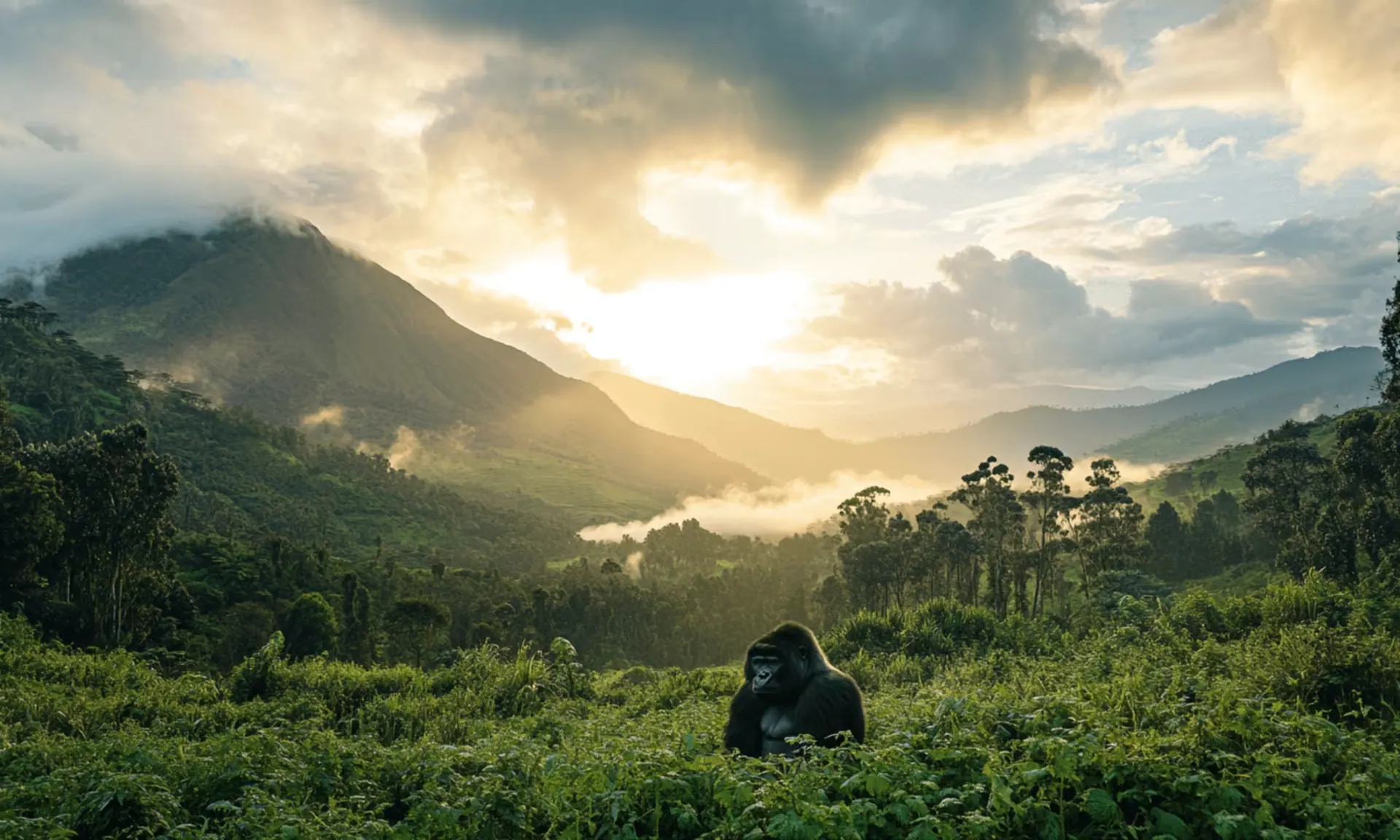
Bwindi, the Virungas, Laikipia, the Mara and the Serengeti in one continuous arc.
Open
06
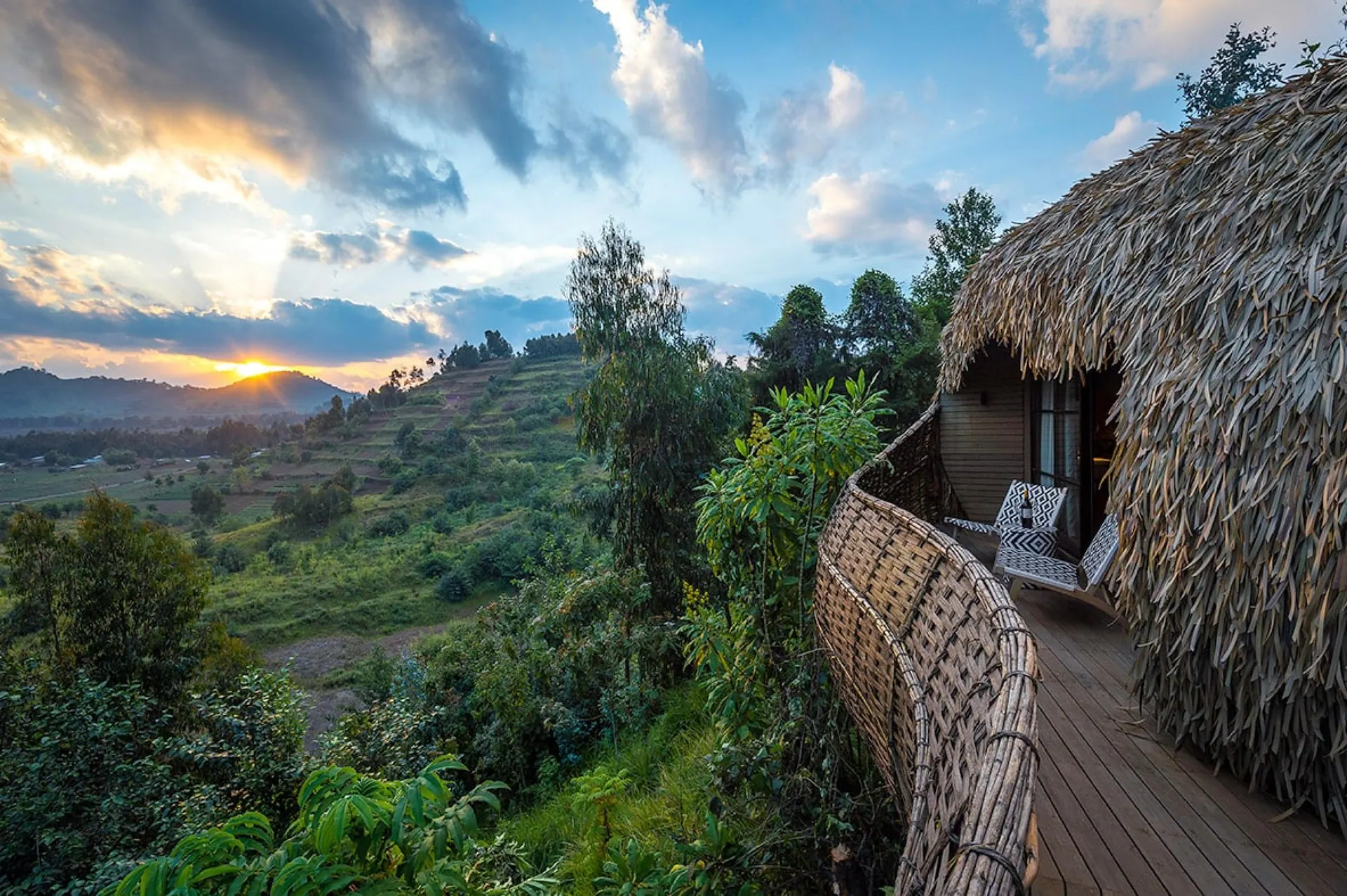
Kibale chimpanzees and Bwindi gorillas, then Mara conservancies with no other vehicles.
Open
07
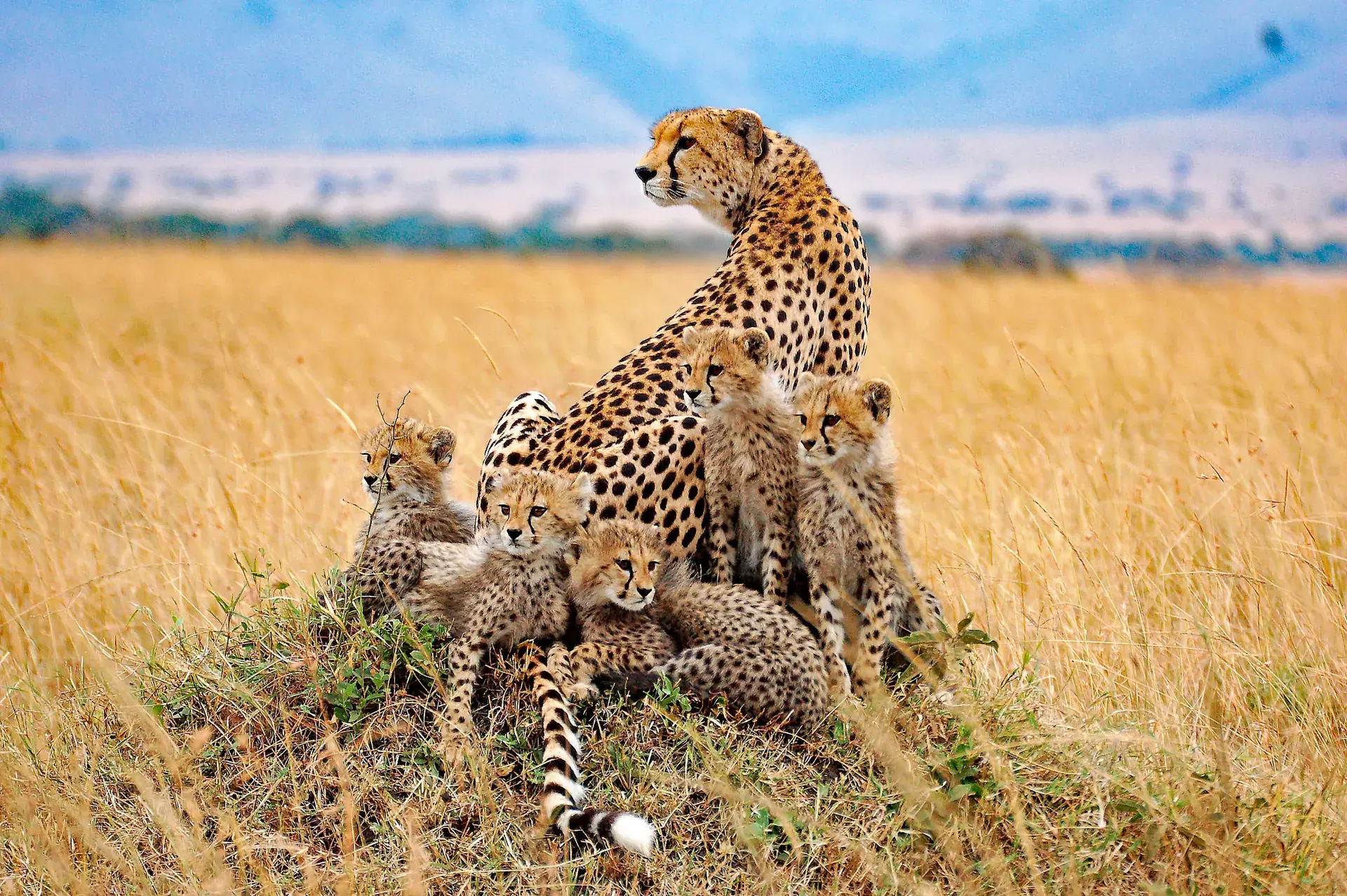
Mara Triangle crossings, Kogatende crossings, then the dust washed off in the Indian Ocean.
Open
Prices and rules here were checked against the park authorities in August 2026. We reconfirm every figure before it goes on a quotation.
For river crossings, the reserve and the Mara Triangle, because that is where the crossing points are. For everything else, a conservancy. Conservancies cap bed numbers, permit off-road driving to reach a sighting, allow night drives and guided walking, and cap vehicles at any one sighting to five under a published code of conduct. We usually split an itinerary across both rather than choosing.
USD 100 per non-resident adult per day from 1 January to 30 June 2026, and USD 200 from 1 July to 31 December. Children aged 9 to 17 pay USD 50 year round and under-8s are free. The ticket runs 6am to 6pm and does not carry overnight, whatever time you enter. The Mara Triangle charges the same tariff and is cashless, paid online before arrival. Since the 2024 restructure there is no longer a discount for sleeping inside the reserve.
It is a nightly per-person conservation fee, currently around USD 130 in Mara North, Olare Motorogi and Naboisho, paid to the Maasai landowners who lease their land to the conservancy. It is separate from national reserve entry. It funds the lease payments that keep the land unfenced and ungrazed. It is included in the prices we quote, and it is the reason conservancy nights cost more than reserve nights.
They are the same herd and the same river. Kenya's Mara side is cheaper to reach, has shorter internal flights and better conservancies. Tanzania's Kogatende side has fewer vehicles at crossings and a much larger wilderness behind it. From mid-August to mid-September the herds are split across the river, which is the only time you can genuinely watch crossings from both banks on one trip.
Yes. An electronic travel authorisation costs USD 30, applied for online at least seven days ahead. There is no visa on arrival. Citizens of African Union states are exempt, other than Libya and Somalia. If you are combining Kenya with Uganda and Rwanda, the East Africa Tourist Visa at USD 100 covers all three, though guidance is inconsistent on whether Kenya-first entrants also need the eTA, so we route those trips through Uganda or Rwanda first.
Tell us when you can travel and we will tell you honestly whether Kenya is the right country for those dates, or whether one of the others would serve you better.